Should your brand community be private or public? It's one of the first decisions content creators face. Private communities feel safer and more intimate, but they also concentrate sensitive information in one place—making leaks potentially devastating. Public communities are more transparent, but they lack the intimacy that builds deep trust. This article compares leak risks in both models and helps you choose the right structure for psychological safety.

PRIVATE leak = concentrated PUBLIC leak = less damage risk spectrum

The privacy paradox in community leaks

Private communities: intimacy vs. concentration risk

Private communities (invite-only, paid, or hidden) create a sense of exclusive belonging. Members share more openly because they trust the boundaries. This intimacy is powerful for psychological safety—members feel they're among friends.

However, this concentration of sensitive information creates a single point of failure. A single disgruntled member can leak months of private conversations, product roadmaps, or internal debates. The damage is amplified because the content was meant to be secret. Examples abound: private Facebook groups where members screenshot and share moderator discussions, or Discord servers where leaked beta features make headlines.

Key insight: Private communities require stronger trust-building and more rigorous leak prevention because the cost of a leak is higher. You're trading safety-in-numbers for vulnerability-to-betrayal.

Public communities: transparency vs. shallow trust

Public communities (open forums, subreddits, public Facebook groups) are transparent by design. There's less expectation of privacy, so leaks are less damaging—there's nothing to leak because everything is already public.

But public communities struggle to build deep psychological safety. Members are less likely to share vulnerable experiences, ask sensitive questions, or admit mistakes because anyone, including competitors and trolls, can see. The trust is shallower, which means members may not form the strong bonds that prevent leaks—but since there's little private information, leaks aren't a major concern.

Key insight: Public communities are leak-resistant by default, but they sacrifice the depth of connection that drives brand loyalty. You're trading intimacy for safety.

Hybrid models: the best of both worlds?

Many successful communities use hybrid models to balance intimacy and leak risk:

  • Public-facing + private sub-groups: A public main community where general discussion happens, plus private channels for specific topics (e.g., beta testers, VIP members). This contains sensitive conversations in smaller, more trusted groups.
  • Time-limited privacy: Some communities keep conversations private for a period, then archive them publicly. This allows intimate discussion while it's relevant, then reduces leak risk by making it public later.
  • Progressive access: Members earn access to more private spaces through positive contributions. This builds trust gradually and ensures only committed members see sensitive info.

Hybrid models recognize that not all conversations need the same level of privacy. By tiering your community, you can create intimacy where it matters while containing leak risk.

Comparing leak impact: private vs. public

Let's quantify the difference in leak impact:

Factor Private community leak Public community leak
Information novelty High - never seen before Low - already visible
Betrayal feeling Intense - trust violated Minimal - no expectation
Media interest High - "secrets exposed" Low - nothing to see
Member reaction Shock, potential exodus Mild interest, no exodus

Private community leaks are higher impact but rarer if trust is high. Public communities have frequent "non-leaks" (since nothing is private) but lower engagement depth. Your choice depends on your risk tolerance and goals.

How to choose based on your brand and audience

Use this decision framework to choose your community model:

Choose private if:

  • You discuss sensitive topics (health, finances, personal struggles)
  • You share product roadmaps or beta features
  • Your brand relies on deep emotional connection
  • You have resources for active moderation and trust-building
  • Your audience values exclusivity

Choose public if:

  • Your content is mostly informational or educational
  • You want maximum reach and discoverability
  • You have limited moderation capacity
  • Leak damage would be catastrophic (some brands can't risk any leak)

Choose hybrid if:

  • You need both reach and intimacy
  • You have different tiers of member commitment
  • You can manage multiple community spaces

There's no universal right answer. The best model aligns with your brand values, audience needs, and risk tolerance.

Real examples: leaks in both models

Private community leak: the gaming beta

A gaming company ran a private Discord for beta testers. A tester leaked screenshots of unfinished gameplay to Reddit. The leak generated negative buzz about graphics, impacting pre-orders. The company had to publicly address the leak and tighten beta access. The damage was significant because the info was exclusive.

Public community "leak": the Reddit AMA

A brand's public subreddit had an open discussion where a member criticized a new policy. It was visible to everyone, so it wasn't a leak—it was just a public complaint. The brand responded publicly, and the discussion actually improved their policy. No damage because nothing was hidden.

The difference: private communities need leak prevention; public communities need crisis communication for public complaints. Know which game you're playing.

The choice between private and public communities isn't about which leaks less—it's about which type of leak you're prepared to handle. Private communities offer deeper connection at the cost of higher leak impact. Public communities offer safety at the cost of shallower bonds. Hybrid models attempt to balance both. Assess your brand's needs, your audience's expectations, and your capacity for trust-building, then choose deliberately. And remember: no model replaces the need for psychological safety as your primary leak prevention tool.

Conversion Rate Optimization (CRO): An In-Depth Guide
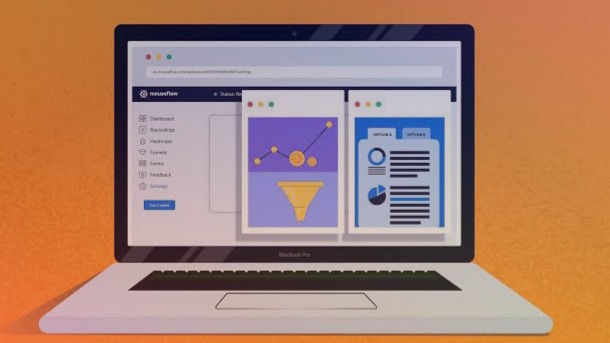
Introduction to Conversion Rate Optimization

Conversion Rate Optimization (CRO) is the systematic process of increasing the percentage of website visitors who take a desired action, whether it’s making a purchase, filling out a form, or signing up for a newsletter. By optimizing your website for conversions, you can maximize the value of your existing traffic and improve your overall marketing ROI.

CRO involves understanding how users navigate your site, what actions they take, and what obstacles prevent them from completing your goals. By using data and user feedback, you can identify areas for improvement and implement changes that enhance user experience and drive more conversions.

In this comprehensive guide, we will explore the benefits of CRO, techniques for enhancing user experience, the importance of A/B testing and multivariate testing, methods for data analysis, and best practices to ensure your CRO efforts are effective. By the end of this article, you will have a thorough understanding of how to leverage CRO to achieve your business objectives.

Benefits of Conversion Rate Optimization

One of the primary benefits of CRO is improved ROI. By increasing the conversion rate of your existing traffic, you can generate more revenue without spending more on acquiring new visitors. This makes CRO a cost-effective way to boost your marketing performance.

CRO also enhances user experience by making it easier and more intuitive for visitors to navigate your site and complete desired actions. A better user experience can lead to higher customer satisfaction, increased trust in your brand, and more repeat business.

Additionally, CRO provides valuable insights into user behavior. By analyzing how visitors interact with your site, you can gain a deeper understanding of their needs and preferences. This data can inform your overall marketing strategy and help you make data-driven decisions that drive growth.

Enhancing User Experience (UX)

Enhancing user experience is a critical aspect of CRO. Start by ensuring that your website is easy to navigate and that visitors can find the information they need quickly and easily. A clear and logical site structure, intuitive navigation menus, and a well-organized layout can significantly improve user experience.

Pay attention to the design and functionality of your calls-to-action (CTAs). CTAs should be prominently displayed, clearly worded, and visually appealing. Use contrasting colors to make them stand out and place them strategically throughout your site to guide visitors towards conversion.

Load speed is another crucial factor in user experience. A slow-loading site can frustrate visitors and lead to high bounce rates. Optimize your website's performance by compressing images, using a content delivery network (CDN), and minimizing the use of heavy scripts. Ensuring your site is mobile-friendly is also essential, as more users are accessing websites via mobile devices.

A/B Testing and Multivariate Testing

A/B testing and multivariate testing are essential techniques in CRO. A/B testing involves comparing two versions of a web page or element to determine which one performs better. By testing different variations, you can identify the most effective design, copy, or layout for driving conversions.

Start with A/B testing your CTAs, headlines, images, and other key elements. Use a testing tool, such as Google Optimize or Optimizely, to create and manage your tests. Ensure that you run the tests for a sufficient duration to gather meaningful data and avoid making decisions based on inconclusive results.

Multivariate testing is more complex and involves testing multiple variables simultaneously to see how different combinations affect conversion rates. This approach can provide deeper insights into how various elements interact with each other and help you identify the optimal combination for maximum impact.

Data Analysis and Interpretation

Data analysis is a critical component of CRO. Use web analytics tools, such as Google Analytics, to track key metrics like bounce rate, average session duration, and conversion rate. Analyze this data to identify patterns and trends that can inform your optimization efforts.

Look for pages with high exit rates or low conversion rates, as these may indicate areas where users are encountering obstacles. Use heatmaps and session recordings to see how visitors interact with your site and identify potential issues with usability or design.

Combine quantitative data with qualitative insights from user surveys, feedback forms, and usability testing. This can provide a more complete picture of user behavior and help you understand the reasons behind the data. By interpreting your findings accurately, you can make informed decisions that drive meaningful improvements.

Best Practices for CRO

Implementing best practices for CRO can help ensure your optimization efforts are effective. Start by defining clear goals and KPIs for your CRO initiatives. This will help you stay focused and measure the success of your efforts.

Prioritize your optimization efforts by focusing on high-impact areas first. Use the Pareto principle (80/20 rule) to identify the 20% of changes that will deliver 80% of the results. This can help you achieve significant improvements with minimal effort.

Continuously test and iterate. CRO is not a one-time effort but an ongoing process of testing, learning, and optimizing. Regularly review your data, run new tests, and make incremental improvements. Stay up-to-date with the latest CRO trends and techniques to keep your optimization strategies fresh and effective.